Acoustic comfort is often ignored in busy workspaces, schools, and hospitals, leading to echo, poor voice clarity, and fatigue. Here is how acoustic perforated tiles create a quiet environment.
When sound waves strike a flat concrete or standard drywall ceiling, they bounce back, causing reverberation. Perforated acoustic panels use basic physics to capture and dissipate this acoustic energy.
1. Sound Absorption vs. Sound Insulation
It is important to understand the difference:
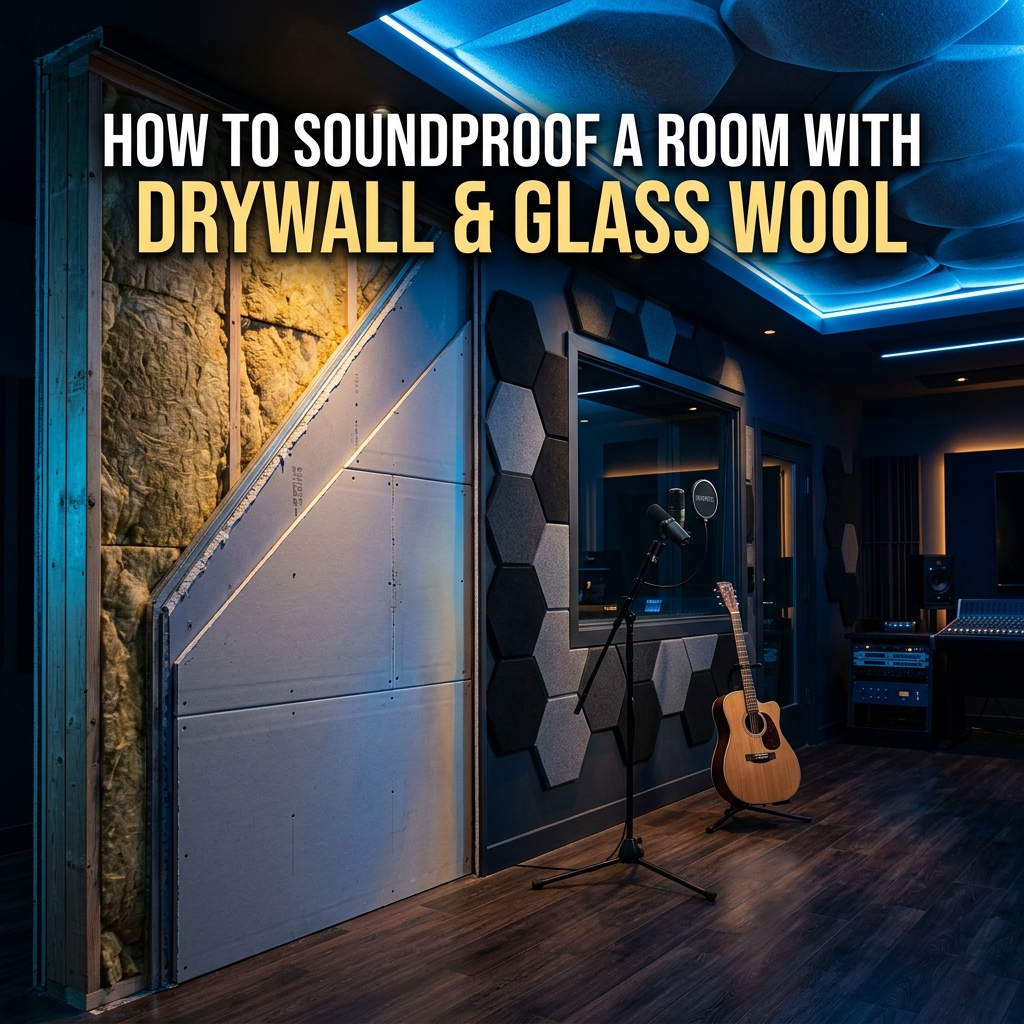
- Sound Insulation: Blocking sound from traveling between rooms (using dense walls).
- Sound Absorption: Reducing echoes and control noise reflection within a single room (using acoustic tiles).
2. The Mechanics of Perforated Gypsum
Perforated tiles feature precise patterns of circular, square, or micro holes. Behind these holes is a sound-absorbing acoustic felt layer. As sound waves enter the holes, the air column inside vibrates, creating friction that converts sound energy into harmless heat energy, dampening reflections.
3. Noise Reduction Coefficient (NRC)
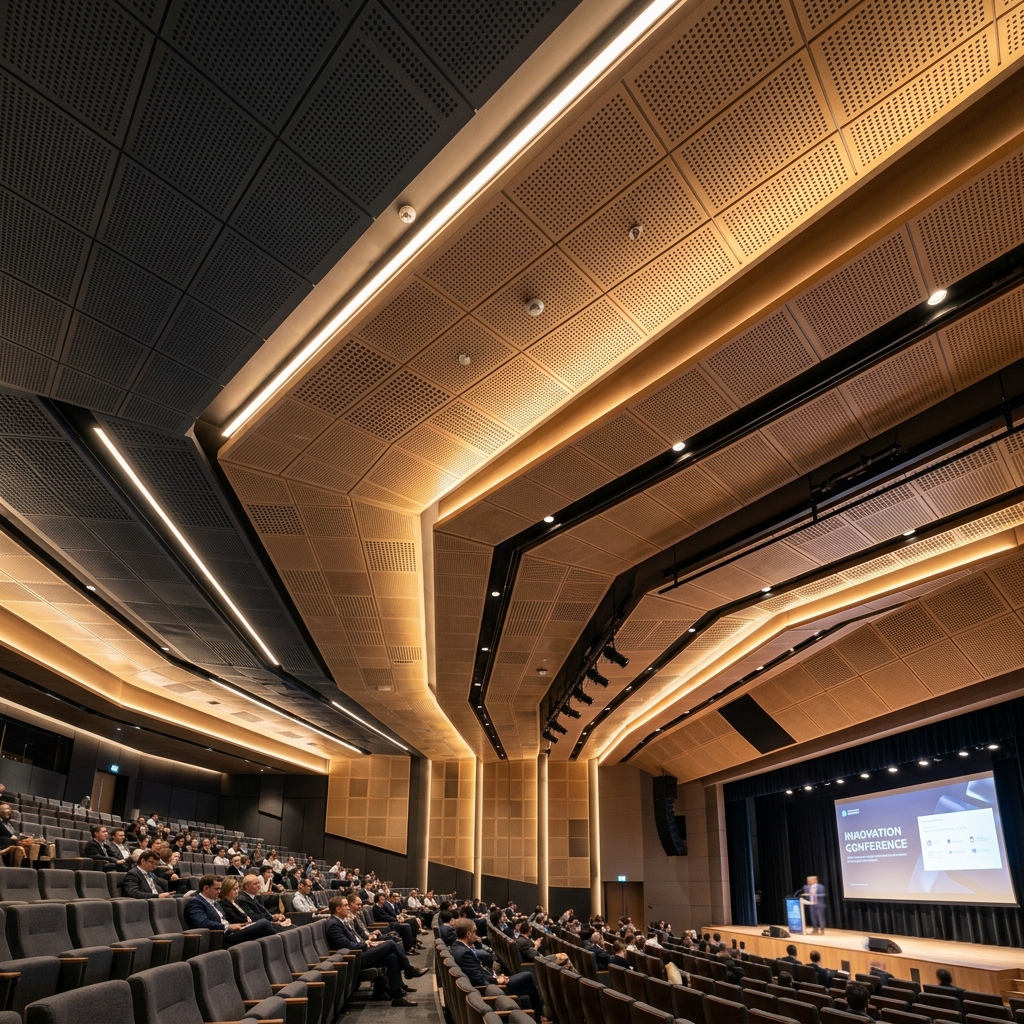
Our acoustic boards achieve NRC ratings of up to 0.75. This means they absorb 75% of the sound waves hitting them. This is excellent for keeping offices quiet, enhancing clarity in auditoriums, and reducing noise in corridors.
4. Clean Aesthetics and Light Reflectance
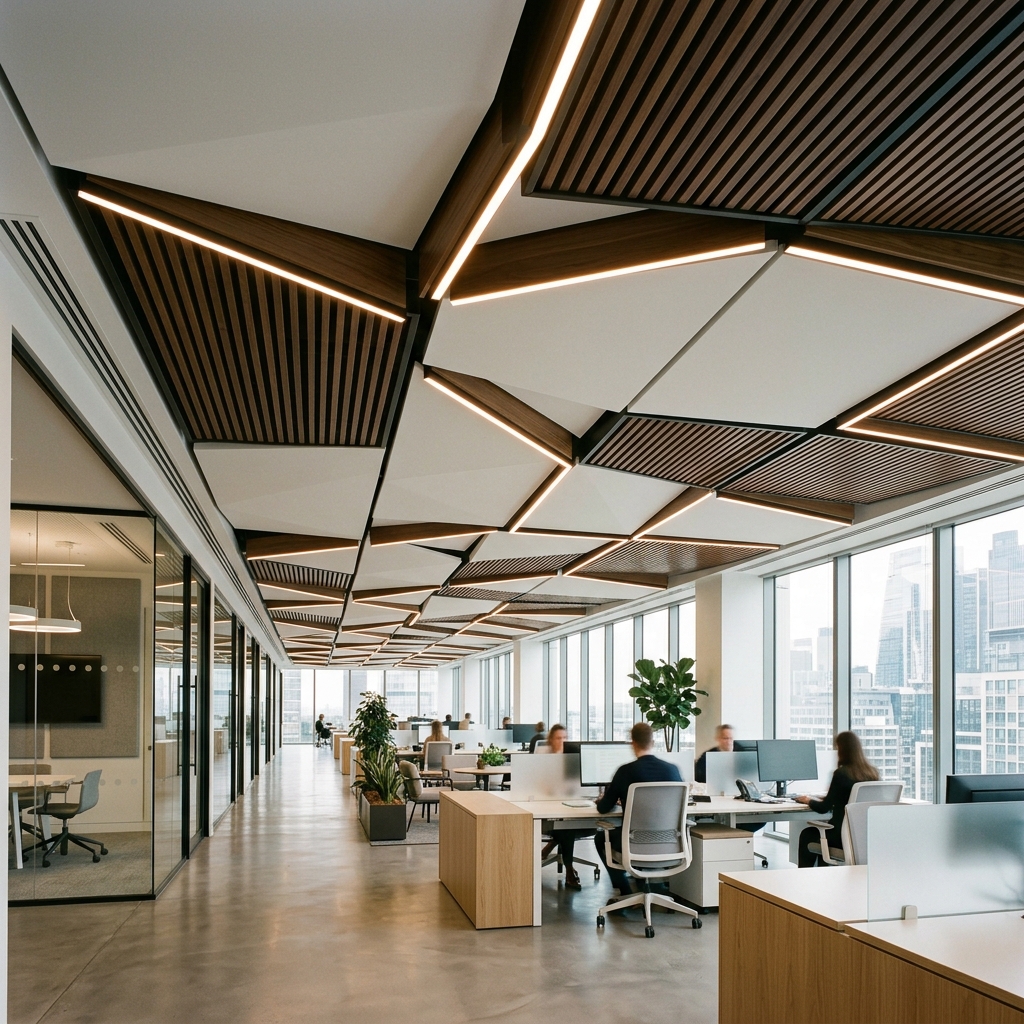
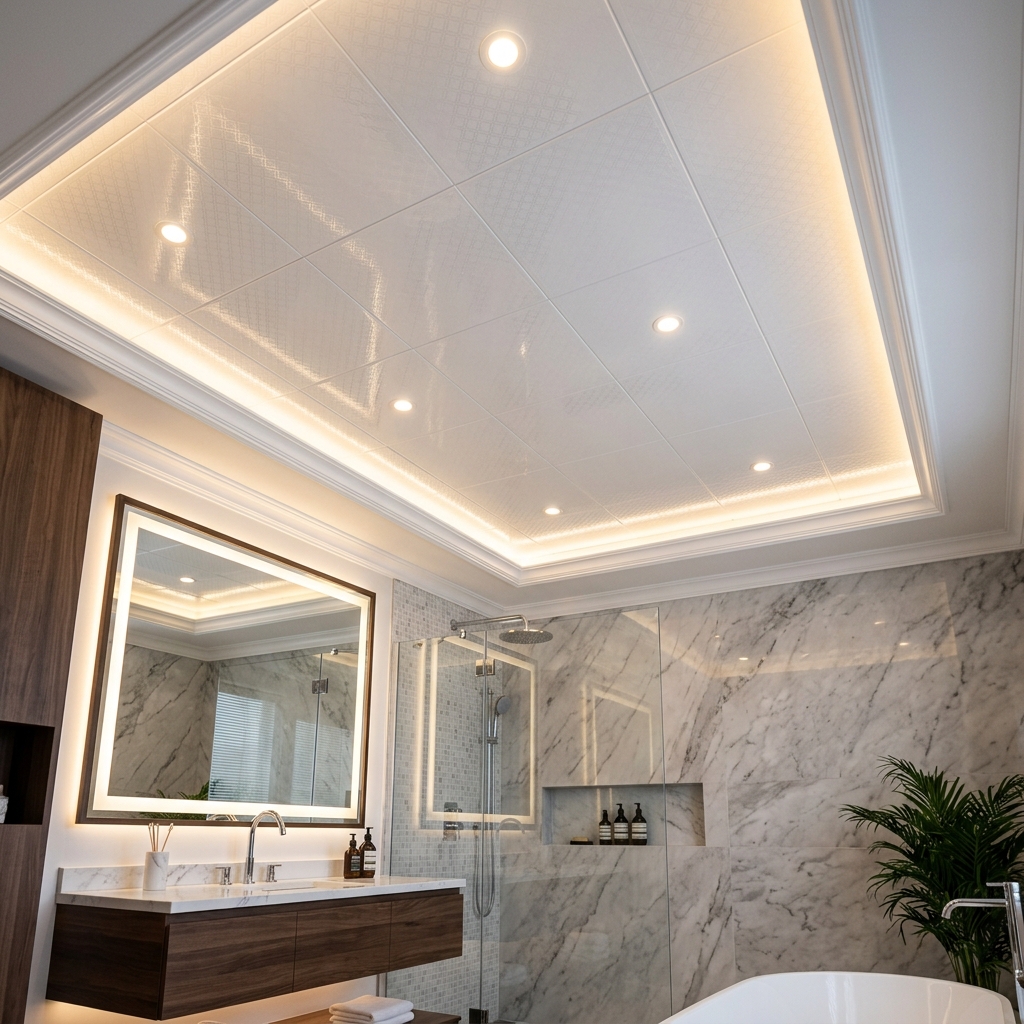
Acoustic tiles are not just functional; they look great. Perforation patterns add a modern, architectural texture to ceilings, while the clean white finish maintains high light reflectance, reducing lighting power needs.
Conclusion: Good acoustic design improves comfort and productivity. Consult GypExim specialists to choose the right acoustic perforation patterns and layout configurations for your auditorium, studio, or office project.